
Let’s Talk Fibers – Wool


I’m sure you’re familiar with the well-loved children’s song, “Baa baa belting shop, have you any wool? Yes sir, yes sir, 3 belts full! One for the cushioning, one for the heat, and one for the stretchiness and the absorption can’t be beat!”
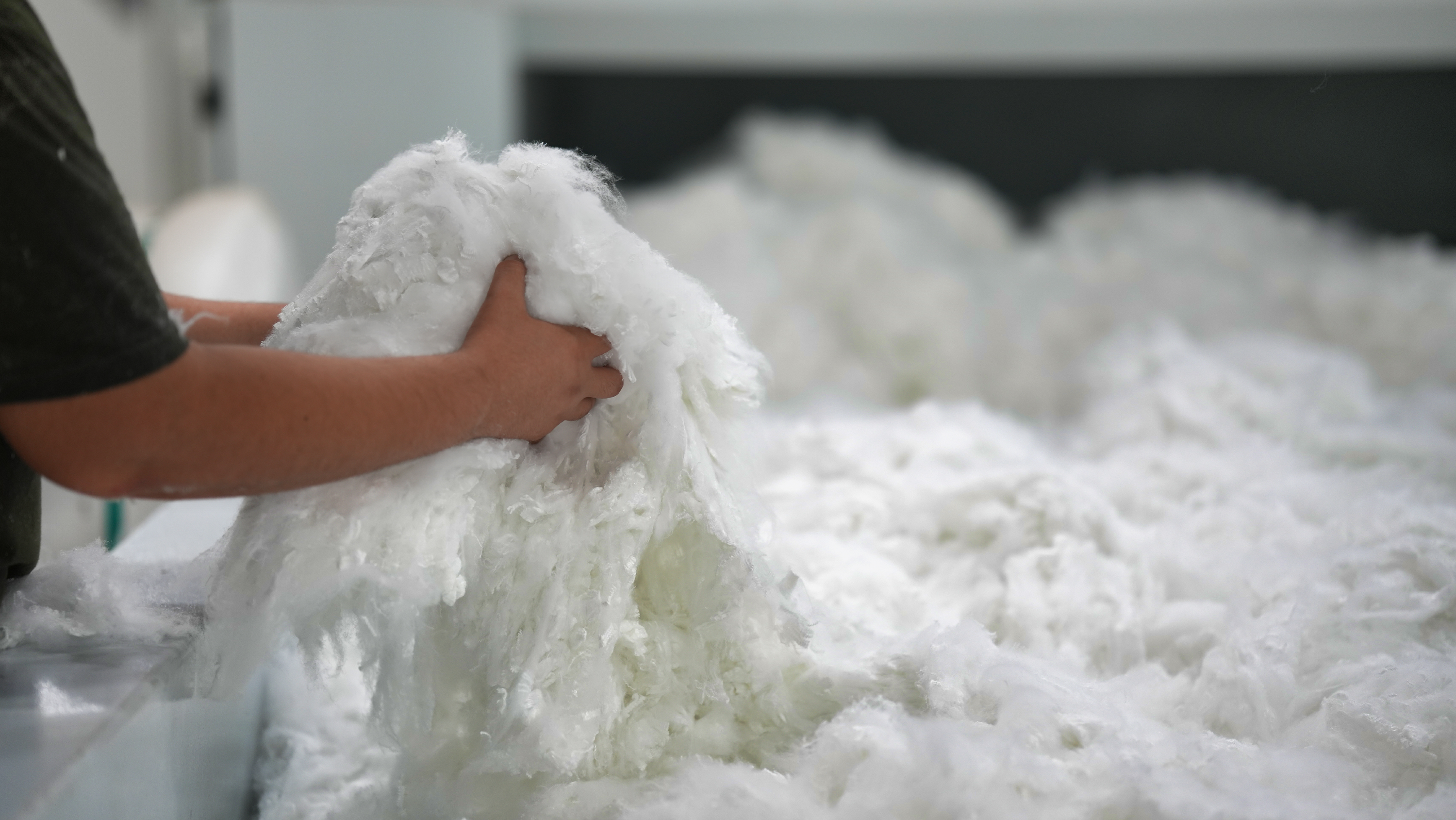
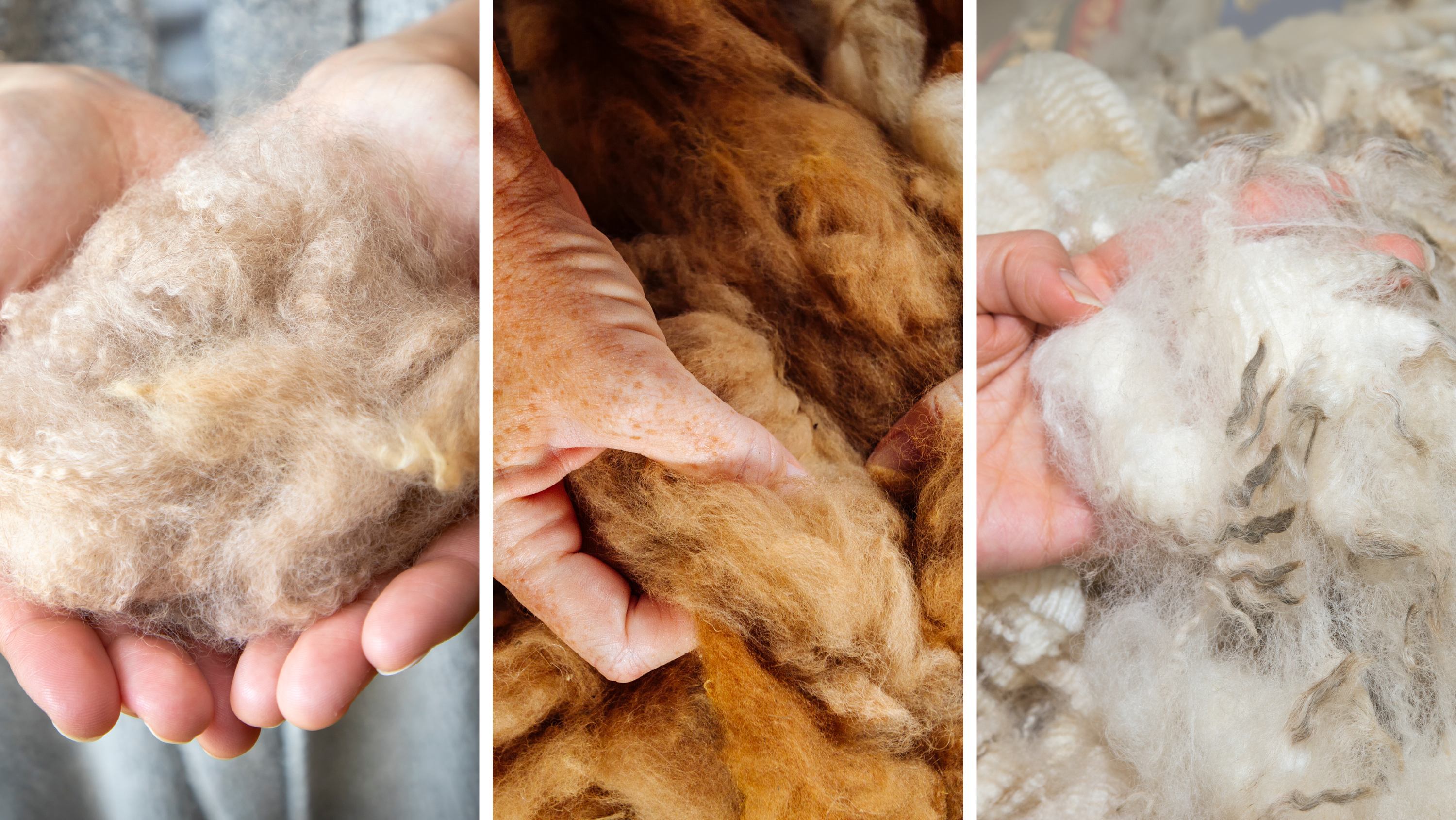
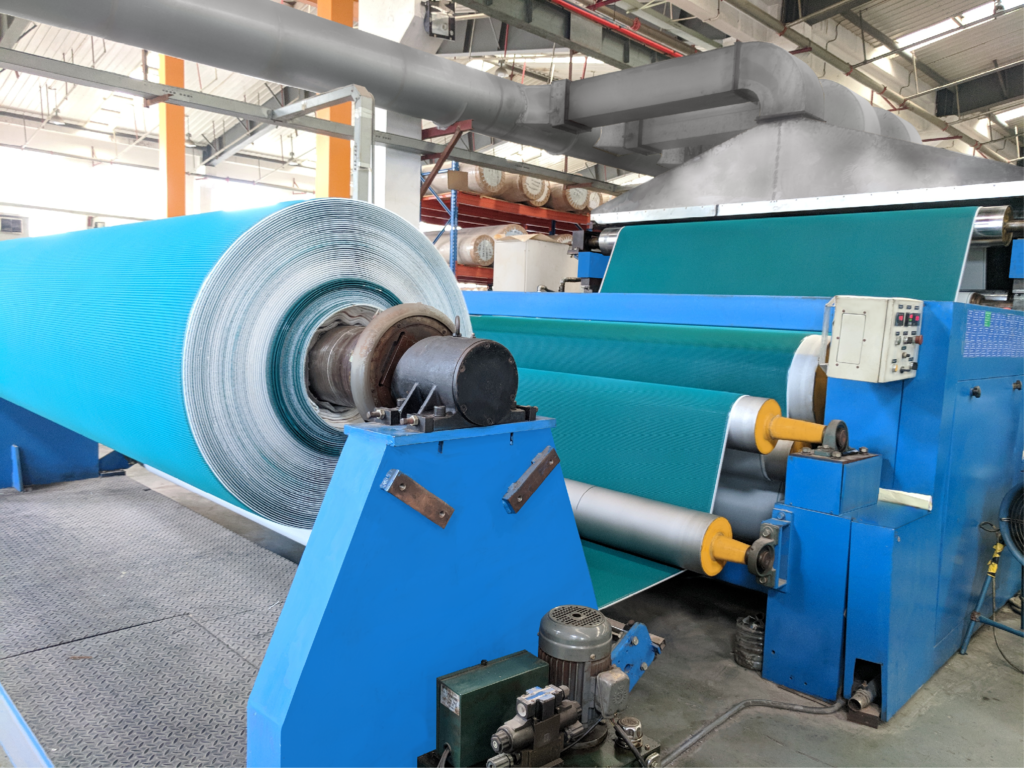
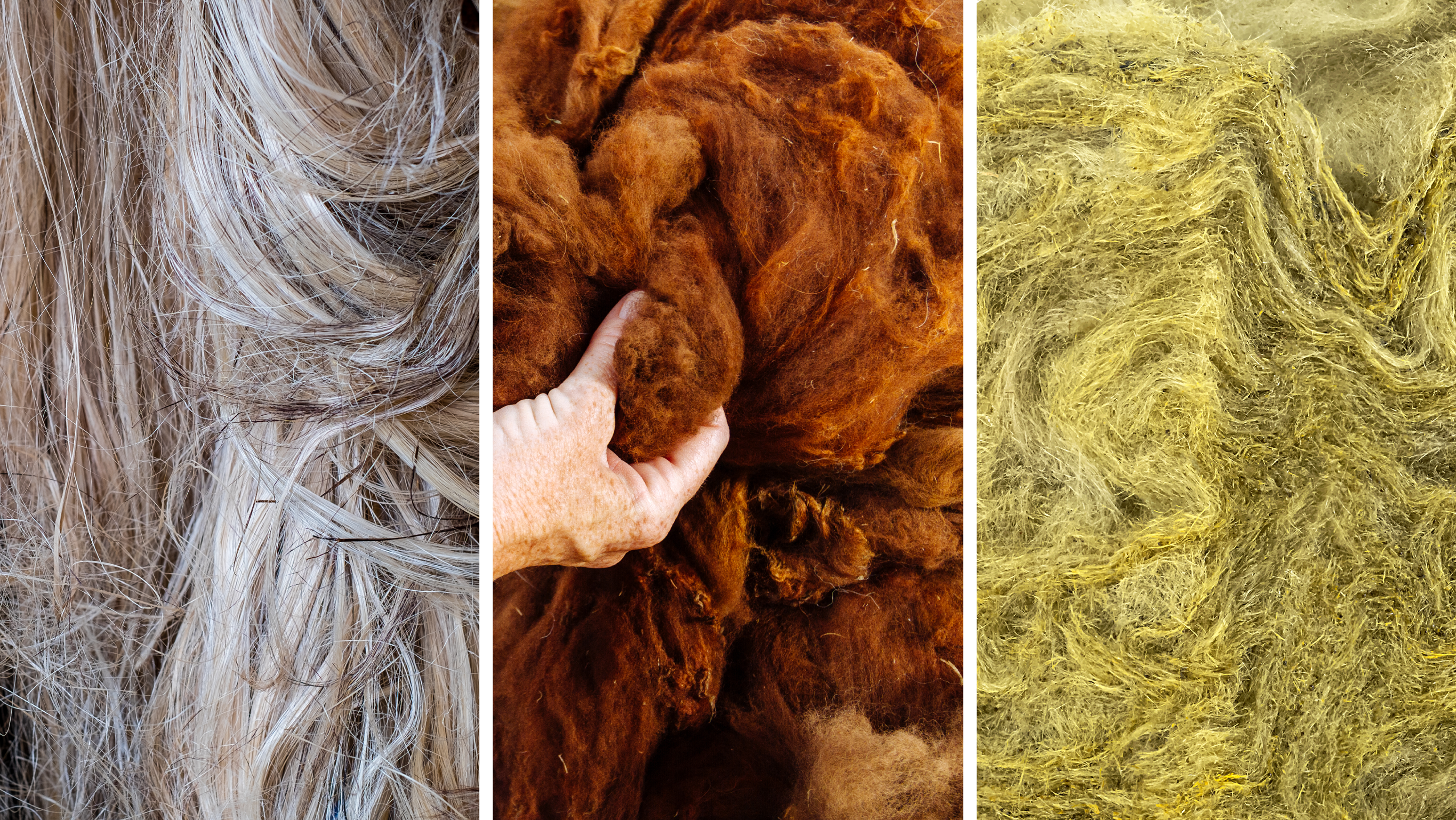
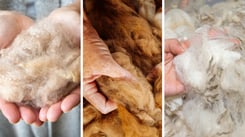
Wool often conjures thoughts of cozy sweaters, blankets, winter coats, or children’s songs. But did you know this natural fiber has been quietly doing heavy lifting in the industrial world for years? Wool is a staple in conveyor belts, especially in industries requiring a soft, durable, and heat-resistant material. Its unique properties make it a standout choice for specific applications. But what exactly makes wool such an exceptional material for conveyor belts?
WOOL'S ROLE IN CONVEYOR BELTS
Wool plays a critical role in conveyor belts designed for delicate applications. Industries like baking, textiles, and food processing rely on belts that are gentle on products while maintaining durability under constant use. Wool belts are often used for transporting fragile goods, such as baked items or textiles, where minimal friction or abrasion is required.
So, why is wool the go-to material for these situations? Let's find out.
WHY WOOL?
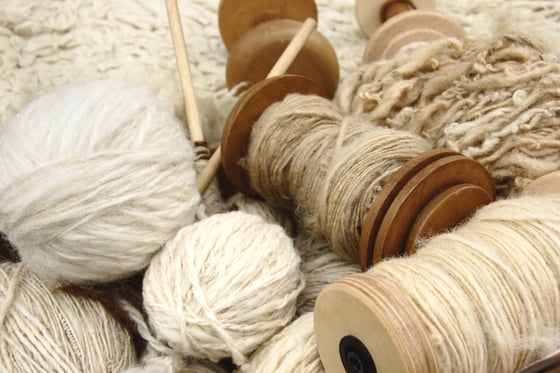
Wool is a natural, renewable resource with properties that make it ideal for conveyor belts in certain environments.
SOFTNESS AND CUSHIONING
Wool’s natural softness ensures that delicate items, such as pastries or fabric, are transported without damage.
HEAT RESISTANCE
Wool can withstand moderate temperatures, making it suitable for use in ovens or warm environments.
DURABILITY
Wool fibers are naturally elastic and can bounce back after stretching, extending the life of the belt.
MOISTURE ABSORPTION
Wool can absorb moisture while remaining dry to the touch, which helps maintain performance in humid or wet conditions.
ECO-FRIENDLINESS
As a biodegradable, renewable material, wool aligns with sustainability goals.
TYPES OF WOOL IN CONVEYOR BELTS
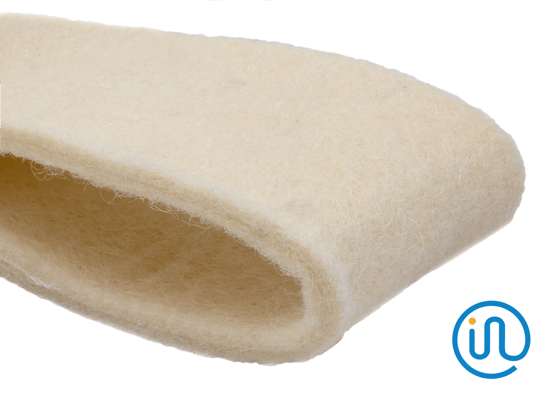
FELTED WOOL
Description: Produced by matting and compressing wool fibers into a dense fabric.
Uses: Provides a soft, cushioned surface for transporting fragile goods.
BLENDED WOOL
Description: Combines wool with synthetic fibers for increased strength and reduced stretch.
Uses: Adds durability while maintaining wool’s natural benefits.
VIRGIN WOOL
Description: High-quality wool from the first shearing of sheep.
Uses: Used in premium conveyor belts for specialized industries like baking.
APPLICATIONS OF WOOL CONVEYOR BELTS
BAKING AND FOOD PROCESSING
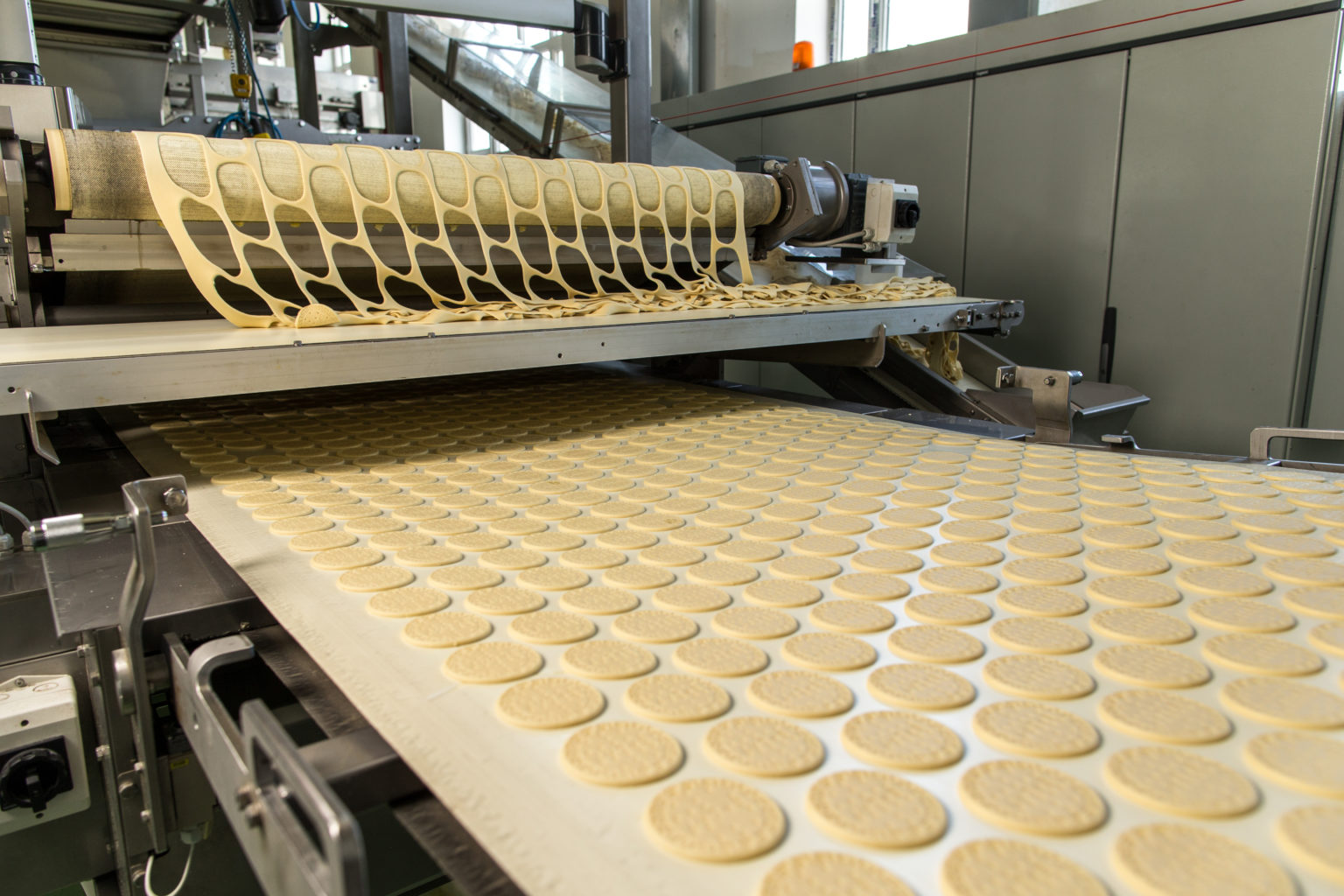
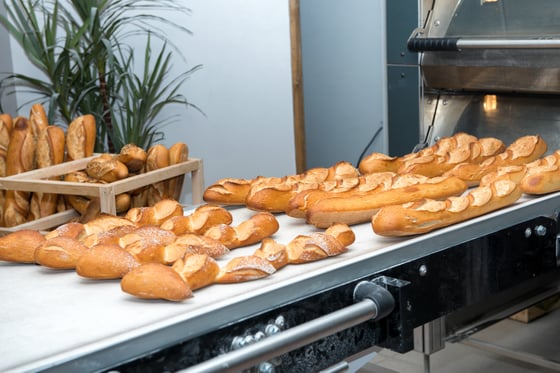
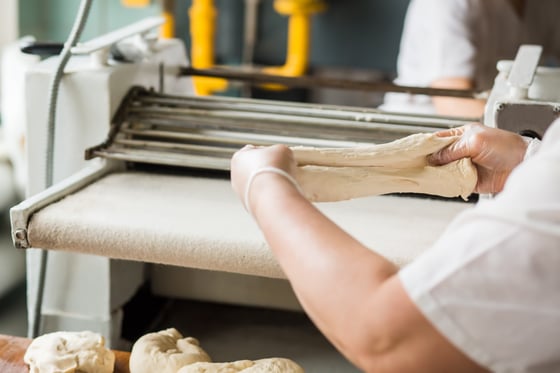
Wool belts are commonly used in bakeries to transport bread, pastries, and cookies without damaging their shape or surface.
TEXTILE INDUSTRY
Wool’s soft texture prevents snags and friction during the transport of fabrics or yarns.
GENTLE HANDLING
Ideal for any industry requiring the careful transport of fragile or sensitive products.
WOOL BELT'S STRENGTHS AND WEAKNESSES
STRENGTHS:
- Cushioning and softness.
- Heat and abrasion resistance.
- Elasticity and resilience.
- Biodegradability and sustainability.
WEAKNESSES:
- Limited suitability for high-temperature environments.
- Requires more maintenance compared to synthetic materials.
- Higher initial cost than some synthetic alternatives.
THE BOTTOM LINE
The natural properties of wool make it an irreplaceable choice for certain belting applications. Whether it’s in a bakery handling delicate pastries or a textile mill transporting fine fabrics, wool’s softness, durability, and eco-friendliness are hard to beat.
Don’t let those other belting companies pull the wool over your eyes, contact Ino USA and we will make sure you get the proper wool belting that you need to fit your application!

LEAVE A REPLY